

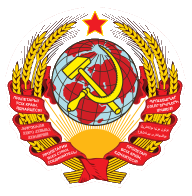
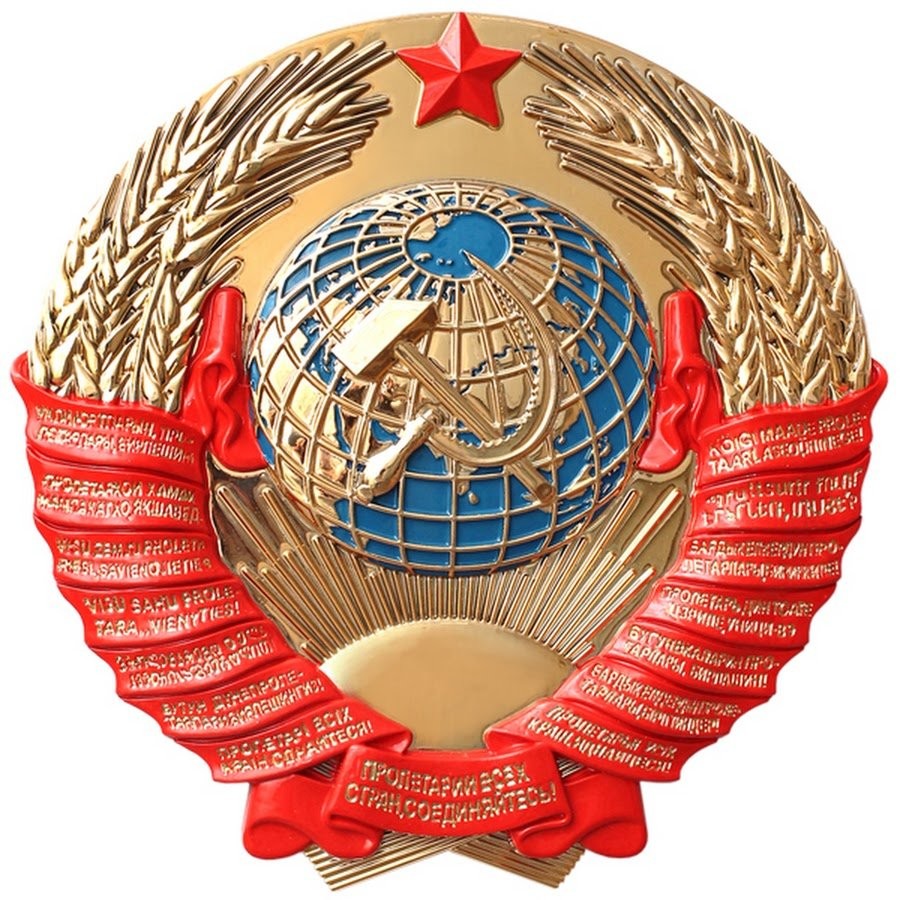
The USSR is the Union of Soviet Socialist Republics, which existed from 1922 to 1991. It was a state consisting of 15 socialist republics, including the Russian Federation, Ukraine, Belarus, Kazakhstan, Armenia, Azerbaijan, and others. The USSR was one of the most powerful and influential countries in the world during the 20th century.
The USSR had a rich history spanning several centuries. Its first forms of political power emerged in Ancient Rus’, later united into Kievan Rus’. In the 15th century, the Tsardom of Muscovy became the center of Russian power, and in the 19th century, it was divided into 15 socialist republics, known as workers’ and peasants’ republics.
In 1917, the October Revolution took place, leading to the establishment of Soviet power in Russia. Following this, the USSR became a republic and then a socialist state. In 1922, the USSR became one of the world’s two superpowers, along with the United States, and became a nuclear power in 1949.
The USSR exerted enormous influence on global politics, particularly during the Cold War. In 1949, the USSR was a key member of the United Nations. During the Cold War, the USSR and the United States competed for global leadership, including nuclear dominance.
The USSR also exerted significant influence on economics and science. In the 1920s, Soviet scientists made significant discoveries in nuclear energy, rocketry, and space technology. In the 1960s, the USSR became one of the world’s leading producers of nuclear energy.
However, in 1991, the USSR disintegrated. This led to the formation of the Russian Federation and other independent states, and also marked the end of the Cold War. The USSR played an important role in Russian and global history, but its influence has diminished.